
Probiotika po antibiotikách: co dělat, aby se střeva zotavila
When you take antibiotics, you don’t just kill bad bacteria—you wipe out the good ones too. That’s why probiotika po antibiotikách, živé mikroorganismy, které podporují zdravou střevní mikroflóru. Also known as dobré bakterie, they help restore balance after your gut gets hit hard by medication. Without them, you risk bloating, diarrhea, yeast infections, and even long-term digestive issues. It’s not magic—it’s biology.
Not all probiotics are the same. The most effective ones after antibiotics include specific strains like Lactobacillus rhamnosus, kmen, který podporuje imunitu a zabraňuje infekcím pochvy i střev. Another key player is Bifidobacterium, rod bakterií, který se přirozeně nachází ve vašich střevech a pomáhá trávit vlákninu. These aren’t just marketing buzzwords—they’re backed by studies from 2024 and 2025 showing faster recovery when used correctly. You don’t need expensive brands. Look for products with at least 10 billion CFUs and multiple strains.
Timing matters. Start taking probiotics during antibiotic treatment, not after. Take them at least two hours apart from your antibiotic pill. This way, the good bacteria survive the journey through your stomach acid. Don’t wait until you feel bad—by then, the damage is already done. Many people think yogurt is enough. It’s not. Store-bought yogurts often contain too little active culture to make a difference. You need targeted supplements.
Probiotics also work better when paired with prebiotics—food for good bacteria. Think onions, garlic, bananas, oats. These aren’t fancy superfoods. They’re everyday items you probably already have in your kitchen. Combine them with your probiotic routine and you’ll see real changes: less bloating, more energy, fewer stomach upsets. Your gut doesn’t need a detox. It needs the right fuel to rebuild.
And don’t stop too soon. Most people take probiotics for two weeks after finishing antibiotics. That’s not enough. Experts recommend continuing for at least four to six weeks. Your gut microbiome doesn’t recover in days—it takes months. The longer you support it, the less likely you are to develop chronic issues later.
What you’ll find here are real, practical guides—not theory. We’ve collected posts that answer exactly what you need to know: which probiotics actually work after antibiotics, how to tell if your gut is still out of balance, why laktobacily are crucial for women’s health, and how to avoid common mistakes that ruin the whole effort. No fluff. No hype. Just what helps—and what doesn’t.
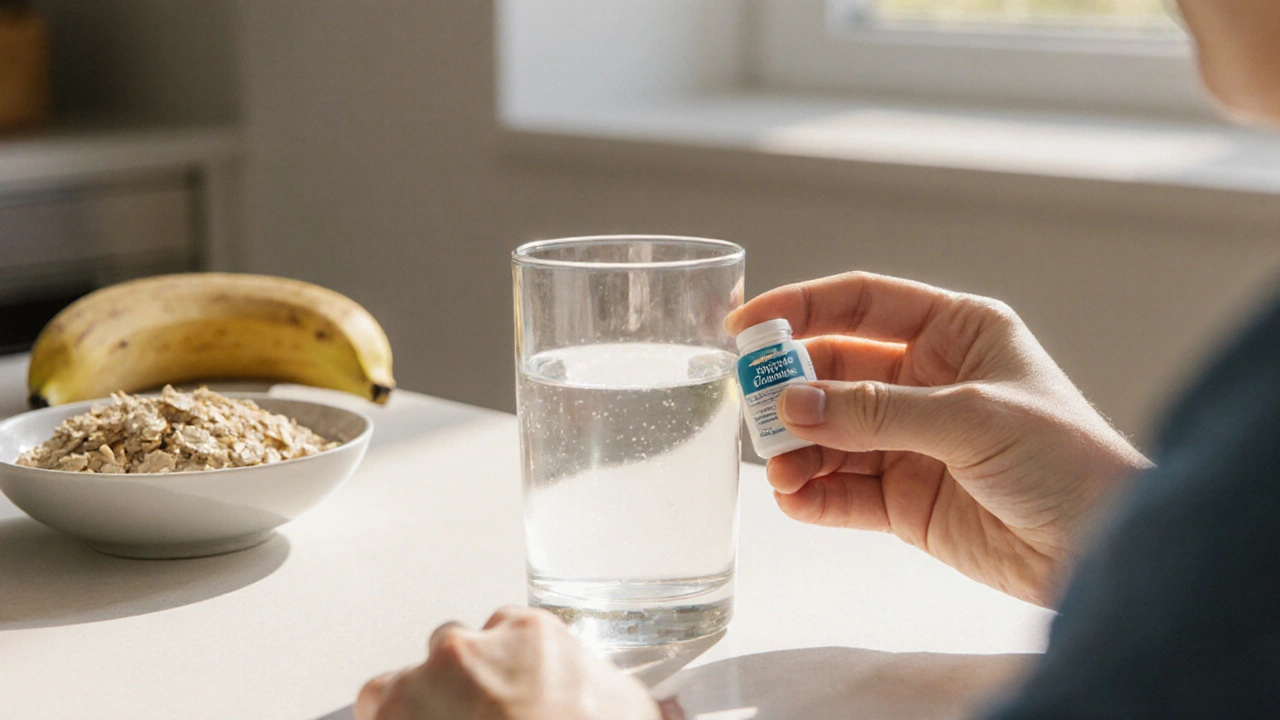
Kdy je nejlepší užívat probiotika? Praktický průvodce pro každý den
Zjistěte, kdy je nejlepší užívat probiotika - po antibiotikách, při stresu, při cestování nebo denně. Praktické rady pro trávení, imunitu a ženské zdraví.